What Is Yom HaZikaron?
Memory, Sacrifice and the Cost of Israel’s Independence
Wikimedia Commons.
Yom HaZikaron—Israel’s Day of Remembrance for Fallen Soldiers and Victims of Terrorism—is one of the most powerful and emotionally charged days on the Israeli calendar. It is not a day of distant history or abstract reflection. It is immediate, personal and deeply woven into the fabric of Israeli life.
Observed annually on the 4th of Iyar, Yom HaZikaron honours those who lost their lives defending the State of Israel and those murdered in acts of terrorism. It is a day when a nation pauses, quite literally, to remember the individuals behind the numbers, the families behind the loss, and the price paid for sovereignty.
A Nation That Stops to Remember
Yom HaZikaron begins in the evening with a one-minute siren that sounds across Israel. Cars pull over on highways. Shoppers freeze mid-step. Conversations stop. For sixty seconds, an entire country stands in silence.
The following morning, a two-minute siren brings the nation to a standstill once again.
These moments are not symbolic gestures. They are acts of collective memory. In a society where military service is compulsory and terrorism has touched almost every community, remembrance is shared rather than delegated. Everyone knows someone. Everyone carries a story.
Who Is Remembered on Yom HaZikaron?
Yom HaZikaron commemorates:
Members of the Israel Defense Forces (IDF)
Soldiers from pre-state Jewish defence organisations
Police, border guards and security personnel
Civilians killed in terrorist attacks because they were Israeli or Jewish
Since Israel’s establishment in 1948, the list of names has grown year by year. Each name represents a life interrupted—a future unrealised.
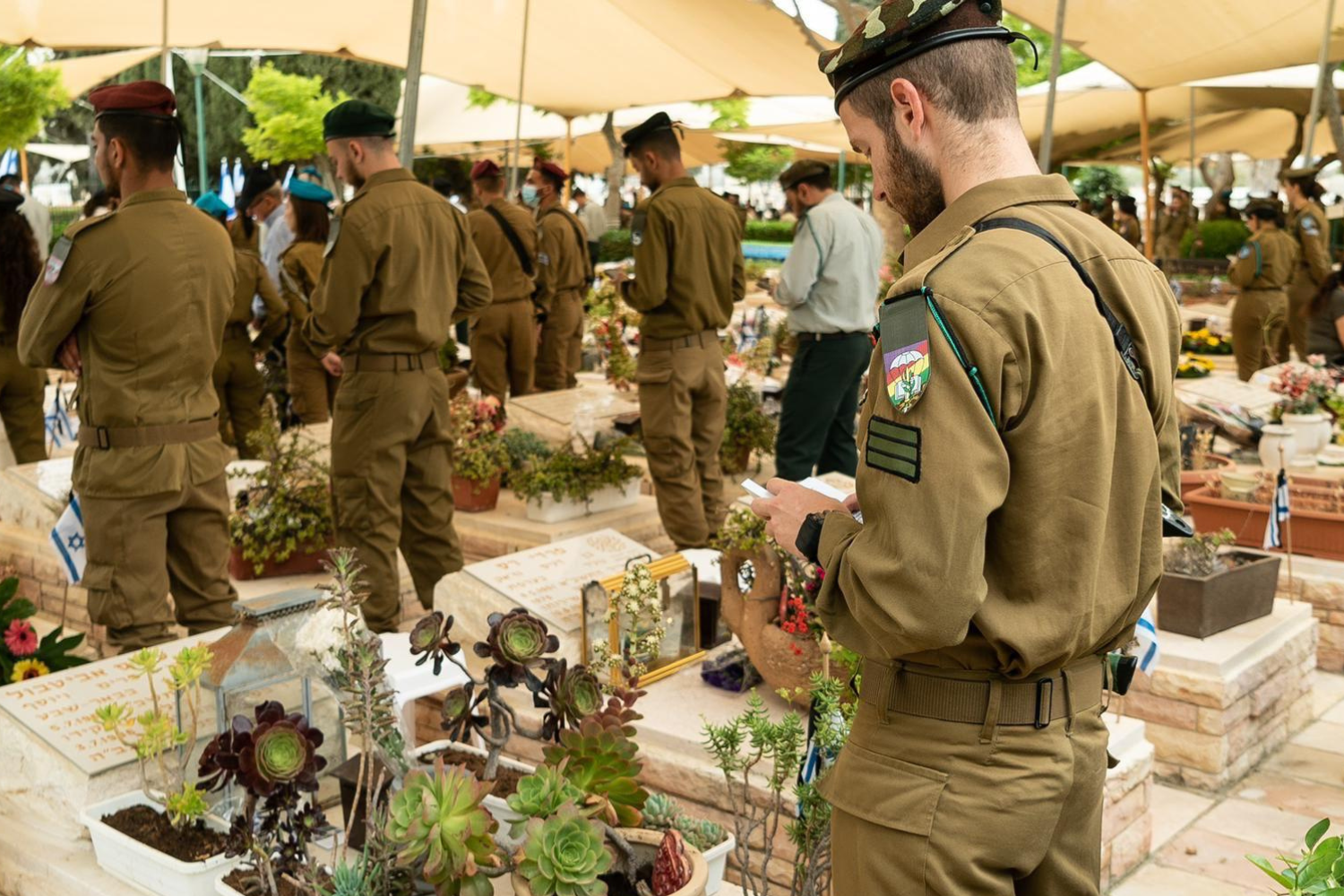
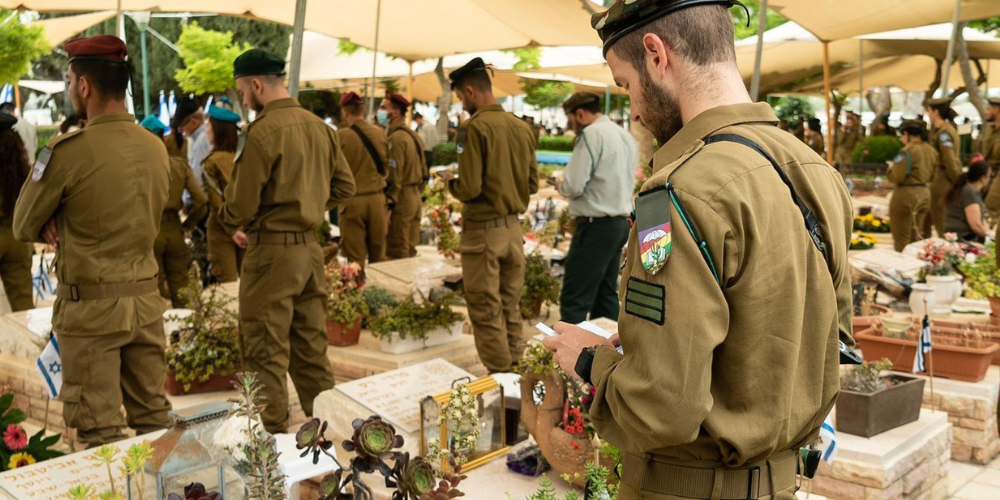
Memorial ceremonies are held in military cemeteries across the country, including at Mount Herzl in Jerusalem. Families gather at gravesites while national leaders attend state ceremonies, reinforcing the idea that remembrance belongs to both the private and public spheres.
The Personal Nature of Remembrance
Unlike many national memorial days elsewhere in the world, Yom HaZikaron is not primarily about military victories or historical milestones. It is about individuals.
Israeli media dedicates the day to personal stories—photographs, letters, favourite songs, memories shared by parents, siblings and friends. Radio stations avoid regular programming, instead playing reflective music and reading names aloud. Television broadcasts focus on lives lived, not just lives lost.
This emphasis on individuality is deliberate. It insists that remembrance is not abstract. Each loss is specific. Each sacrifice matters.
Yom HaZikaron and Israeli Society
Yom HaZikaron reflects a central tension at the heart of Israeli society: the coexistence of vulnerability and resilience.
Israel’s independence did not come without cost, and its security has never been guaranteed. Yom HaZikaron acknowledges this reality honestly, without romanticism. It confronts the ongoing price of living in a country that has had to defend its right to exist from its first day.
At the same time, the day reinforces a profound sense of shared responsibility. The fallen are not remembered as distant heroes but as sons and daughters of the nation—part of a collective story that continues.
From Mourning to Independence: A Jarring Transition
Perhaps the most striking aspect of Yom HaZikaron is what follows it.
As night falls, Yom HaZikaron ends and Yom HaAtzmaut—Israel’s Independence Day—begins immediately. There is no buffer, no pause between grief and celebration.
This transition is intentional.
It serves as a reminder that Israel’s independence is inseparable from the sacrifices remembered just hours earlier. Celebration without memory would be hollow; memory without continuity would be unbearable. One gives meaning to the other.
Yom HaZikaron Beyond Israel
For Jewish communities around the world, Yom HaZikaron is marked through memorial services, ceremonies and educational programs. In the diaspora, the day offers an opportunity to connect with Israel not only through pride, but through empathy and shared loss.
It also provides space to reflect on the responsibilities that come with Jewish self-determination—solidarity, remembrance and commitment to the future.
Why Yom HaZikaron Matters
Yom HaZikaron is not simply about the past. It shapes the present and informs the future.
By insisting on memory, it resists indifference. By naming loss, it demands accountability. And by standing in silence together, it reinforces the idea that freedom and security are never free.
In Israel, remembrance is not passive. It is an active moral obligation—one that insists that the lives lost must continue to matter in the choices made by those still living.
Yom HaZikaron is a day of profound national introspection. It strips away noise and rhetoric, leaving only memory, gratitude and responsibility.
It reminds Israelis—and Jews everywhere—that the State of Israel exists not only because of historical necessity, but because of human sacrifice. And it challenges each generation to honour that sacrifice not only through mourning, but through how the story continues.
See Last Year’s Photos
To see how our community stood together in remembrance last year, click below to view our photo gallery from the 2025 Yom Hazikaron commemoration.
Get Your Ticket
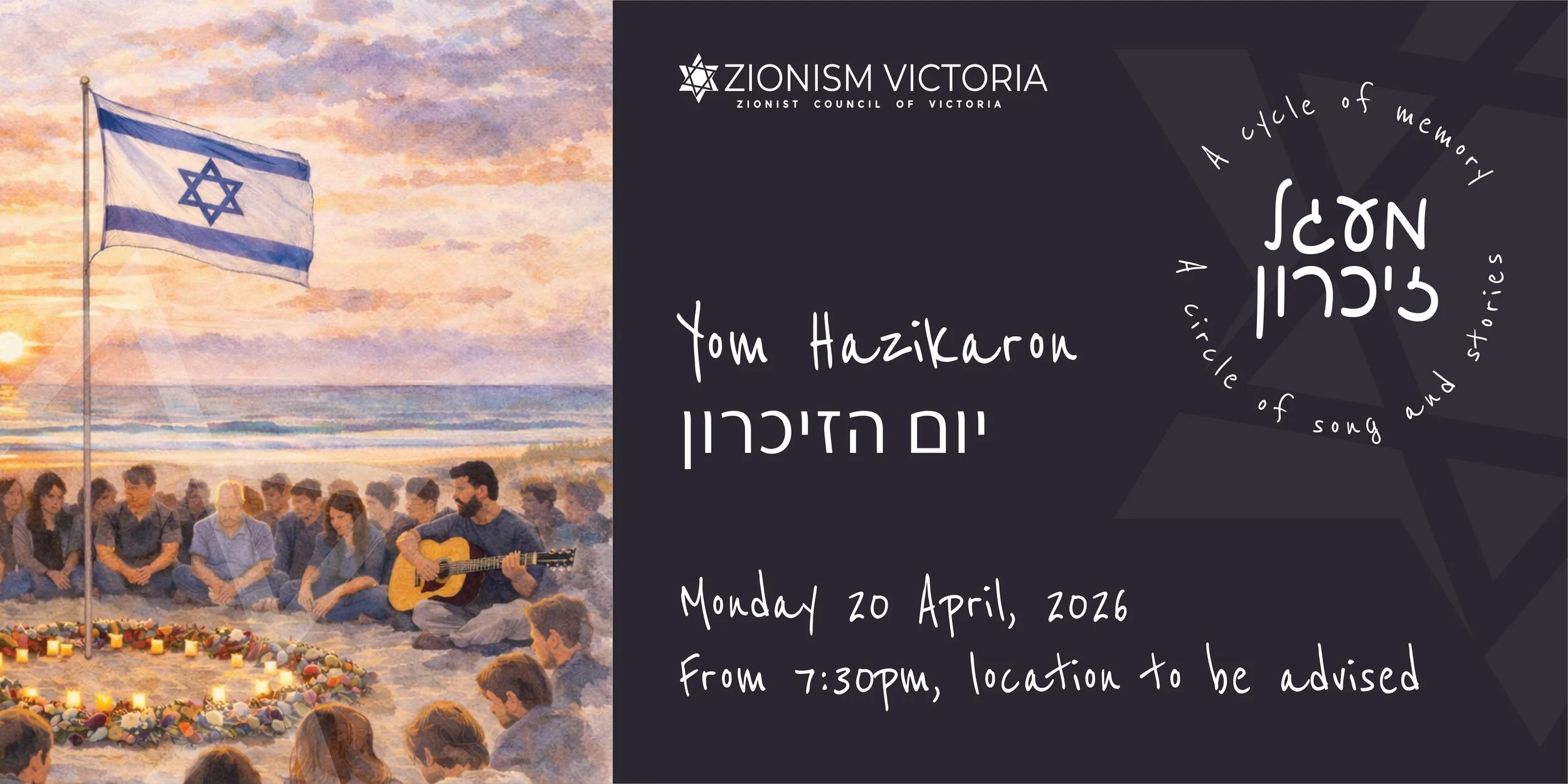
We invite you to be part of this year's moving ceremony. Click below to secure your tickets and join us as we honour the fallen.
Read More